Voici nos conférenciers et invités confirmés pour VCF Montréal 2.0. Ceux qui donneront une conférence sont identifiés par le badge 🎤 Speaker. D'autres annonces suivront dans les prochaines semaines.
Qui parle, et quand ? Toutes les conférences du samedi 7 et du dimanche 8 novembre sont dans l'horaire.
📅 Voir l'horaire des conférencesLe programme des conférences est complet : nous n'acceptons plus de propositions. Vous avez tout de même une idée de conférence ? Écrivez-nous à vcfmontreal@cvcfed.org : nous gardons quelques idées en réserve au cas où un conférencier devrait se désister (voir la FAQ Conférenciers).
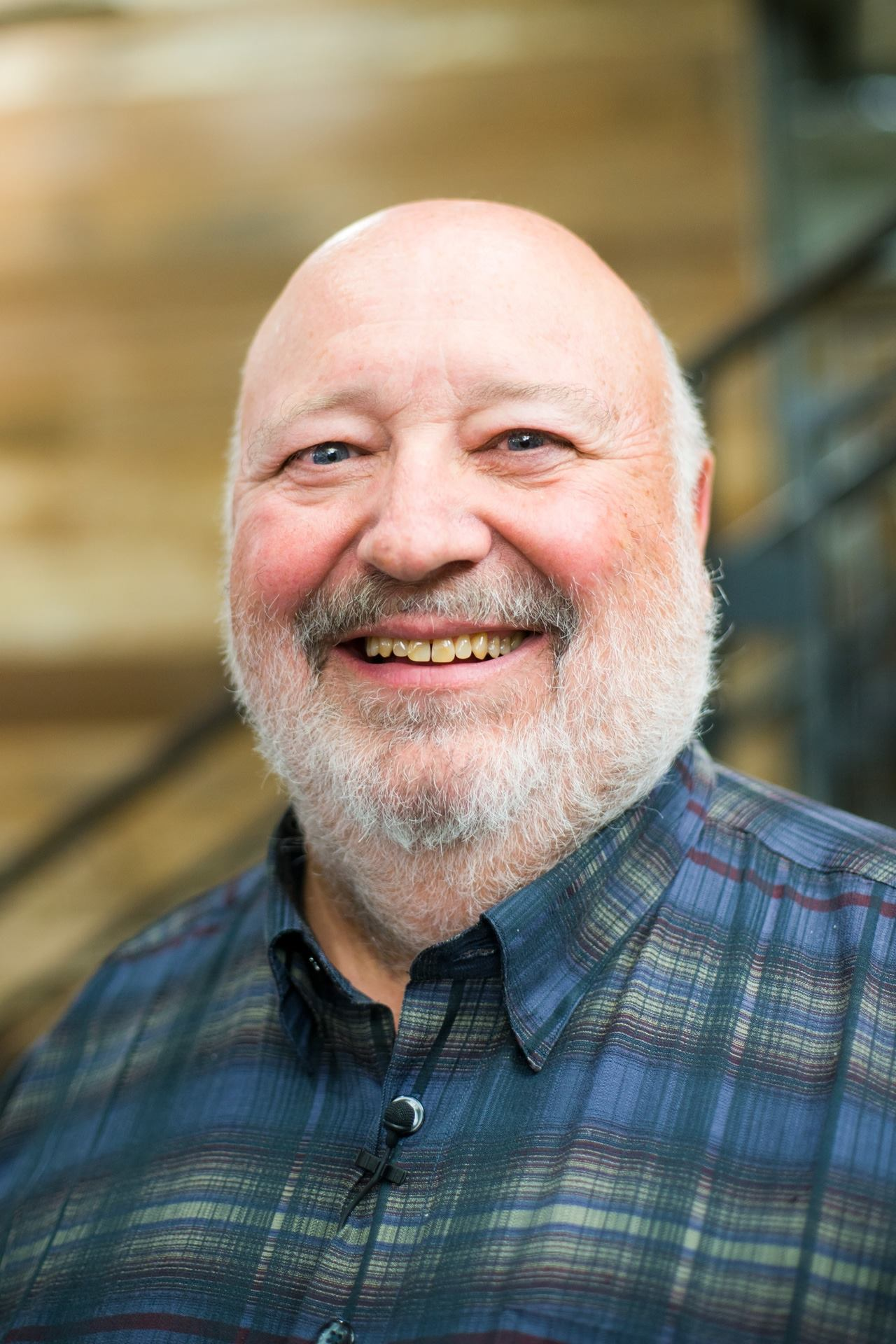
Al Lowe
Créateur de Leisure Suit Larry — Sierra On-Line
🎤 Speaker📺 Présent par vidéoconférence
Pendant 16 ans chez Sierra, Al Lowe a été programmeur principal sur King's Quest III et Police Quest I, avant de créer la série culte Leisure Suit Larry, l'une des franchises les plus reconnaissables de l'âge d'or des jeux d'aventure. Ancien professeur de musique devenu développeur, il a également signé la musique de nombreux jeux Sierra et conçu Freddy Pharkas et Torin's Passage.
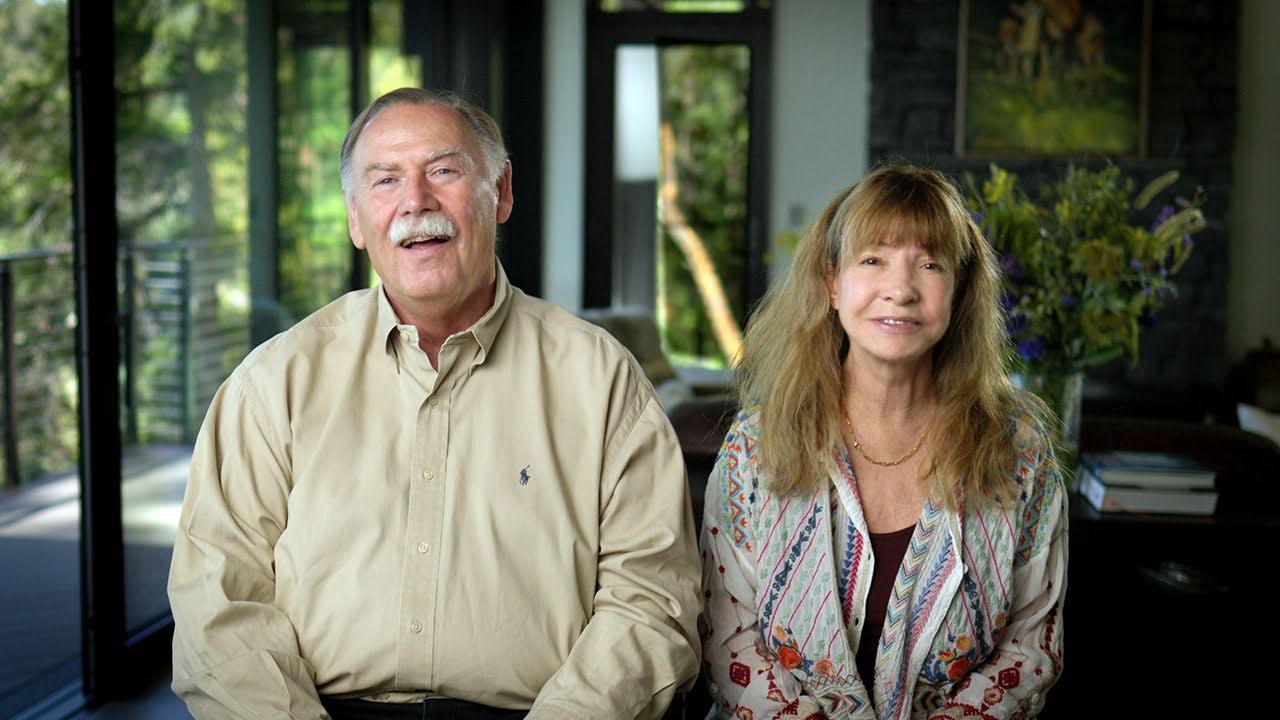
Ken & Roberta Williams
Cofondateurs de Sierra On-Line
🎤 Speaker📺 Présents par vidéoconférence
Ken et Roberta Williams ont cofondé en 1979 On-Line Systems — renommée Sierra On-Line en 1982 — avant de la mener jusqu'à près de 1 000 employés et sa vente pour 1,2 milliard de dollars en 1996. Roberta, surnommée la « reine des jeux d'aventure », a signé Mystery House (1980, premier jeu d'aventure graphique de l'histoire), la série King's Quest et Phantasmagoria (1995) — et a reçu le Pioneer Award du GDC en 2020. Ken, bâtisseur de la compagnie, est l'auteur de Not All Fairy Tales Have Happy Endings (2020). Le duo est de retour dans l'industrie avec Colossal Cave 3D.
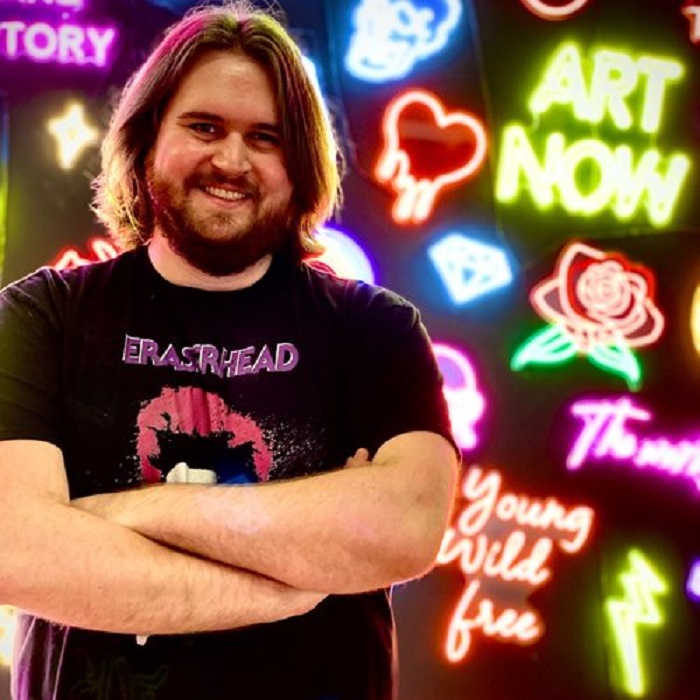
Jacob Weldon |
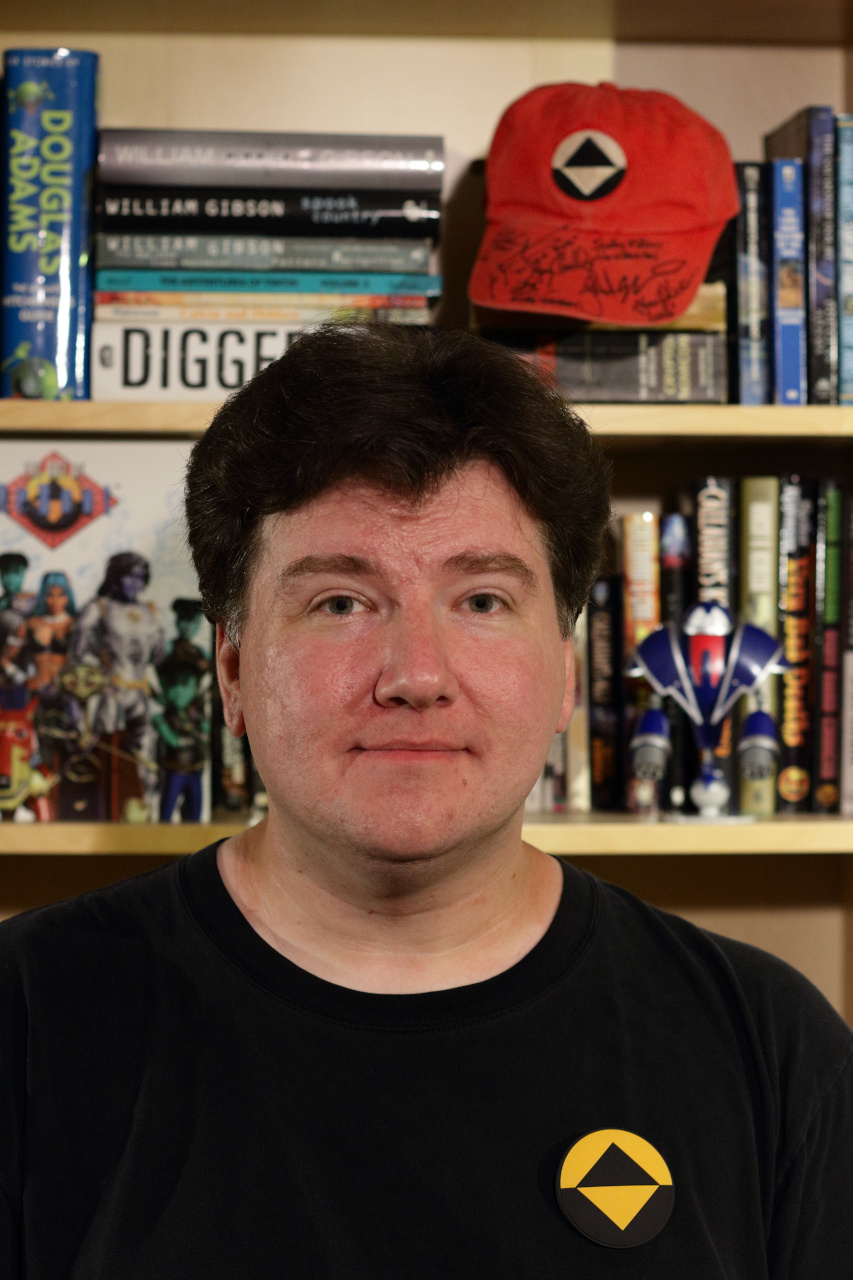
Mark Westhaver |
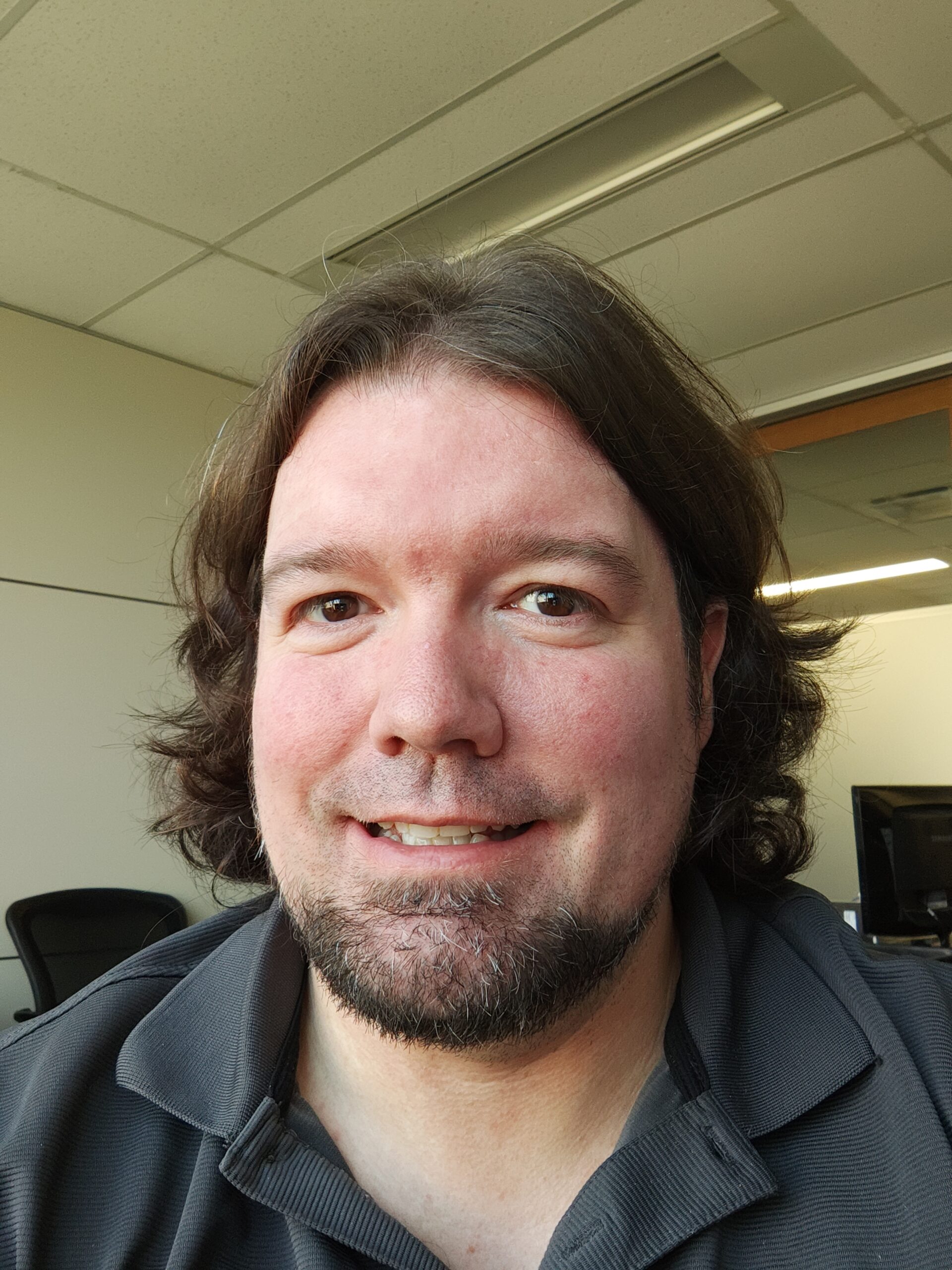
Bryan Baker |
Équipe ReBoot ReWind
Restauration des bandes maîtresses originales de ReBoot — Vancouver, C.-B.
🎤 Speaker
Le projet — En décembre 2023, Jacob Weldon et Raquel Lin ont fouillé les archives de Mainframe Studios et y ont retrouvé les bandes maîtresses D-1 originales de ReBoot. Après avoir uni leurs forces avec Mark Westhaver et Bryan Baker — et lancé un effort viral sur les réseaux sociaux pour dénicher le matériel capable de lire ces bandes — le projet en cours pour sauver et pérenniser ces médias a vu le jour. Au cours des deux dernières années, Mark s'est chargé de réparer et d'entretenir les magnétoscopes D-1 et de capturer les 260+ bandes que comptent les archives de ReBoot; Jacob a établi l'inventaire complet des médias et a passé toutes les images au peigne fin pour repérer les défauts; Bryan a créé le pipeline de post-traitement vidéo permettant de nettoyer l'ensemble des séquences. En mai 2026, toutes les bandes maîtresses de la série ont été sauvegardées; il ne reste que quelques bandes de matériel additionnel à transférer, et le post-traitement est presque terminé. À la fin du projet, l'objectif est de remettre les médias à Mainframe Studios pour distribution sur supports physiques et plateformes numériques.
Jacob Weldon — Co-réalisateur, coproducteur et monteur du documentaire ReBoot ReWind. Vient de Vancouver et travaille comme monteur dans l'industrie du cinéma.
Mark Westhaver — Génie du matériel vintage de sa génération. Compétences acquises en autodidacte sur les standards vidéo et informatiques d'époque; savoir-faire inestimable en préservation, maintenance et récupération des supports magnétiques. Propriétaire et exploitant de Disappearing Inc, boutique de rétro-informatique et d'accessoires de tournage à Vancouver.
Bryan Baker — Spécialiste en contrôle et automatisation le jour, magicien du code la nuit. Figure clé des communautés ReBoot depuis le milieu des années 2000, il développe des algorithmes adaptés au traitement des signaux vidéo au pixel près afin de restaurer des séquences mal transférées ou mal capturées.
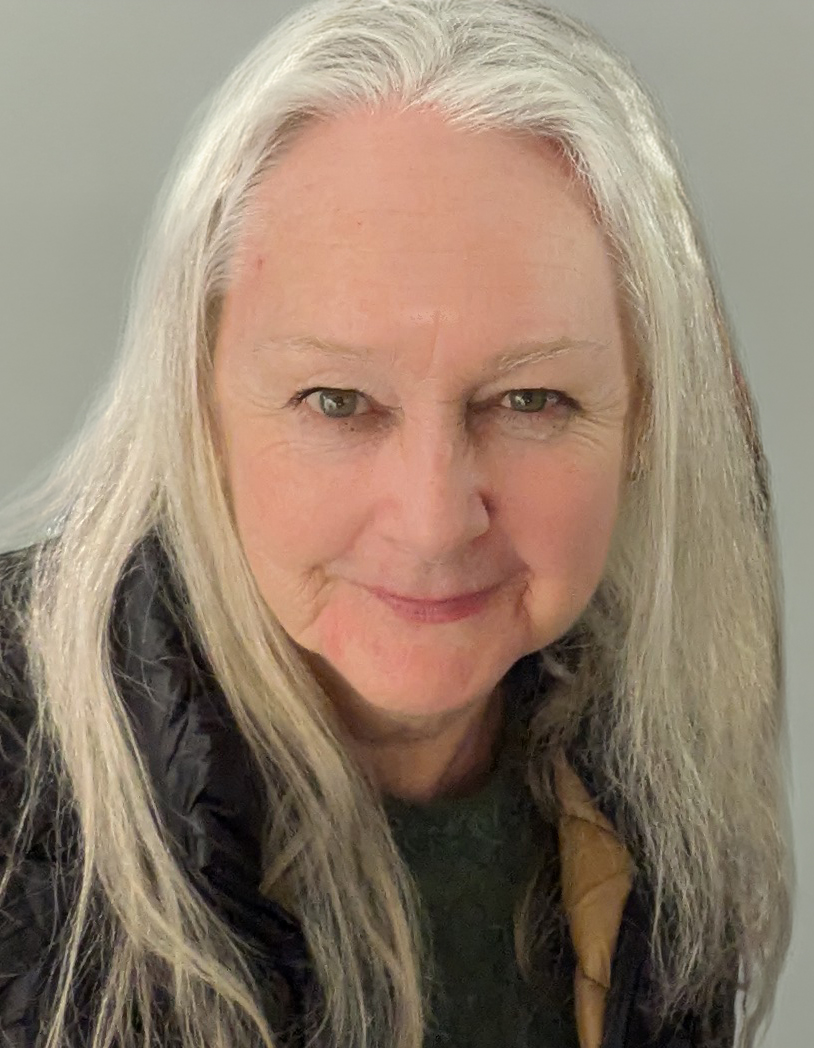
Christine Finn
Archéologue & autrice d'Artifacts: An Archaeologist's Year in Silicon Valley
🎤 Speaker
Archéologue, journaliste et autrice britannique, Christine Finn est ancienne Research Associate à l'Institute of Archaeology de l'Université d'Oxford et Fellow de la Society of Antiquaries of London. Son livre Artifacts: An Archaeologist's Year in Silicon Valley (MIT Press, 2001) applique les outils et la perspective de l'archéologue à la culture matérielle de la Silicon Valley au tournant du millénaire : des collectionneurs de tech obsolète, à la trajectoire d'un ordinateur — de l'outil utile au rebut à l'objet de collection — et au sens que l'on peut tirer de nos déchets numériques. Formée à Oxford (BA en archéologie-anthropologie, doctorat sur le lien entre archéologie et poésie, publié sous le titre Past Poetic, Duckworth, 2004), elle présente aussi des émissions et des reportages pour la BBC, et collabore au Times de Londres.
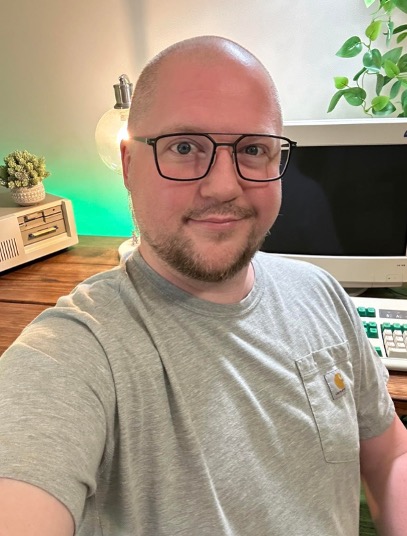
Clint "Gary" Basinger
Créateur de LGR — Chaîne YouTube dédiée à la technologie rétro
Clint Basinger est l'être humain derrière « LGR », une série YouTube lancée en 2009 et dédiée depuis à revisiter la technologie rétro et l'histoire de l'informatique. Si ça a un microprocesseur, un clavier et que ça vient en beige ou en finition imitation bois, il y a de bonnes chances que ça devienne un LGR Thing à un moment ou un autre !
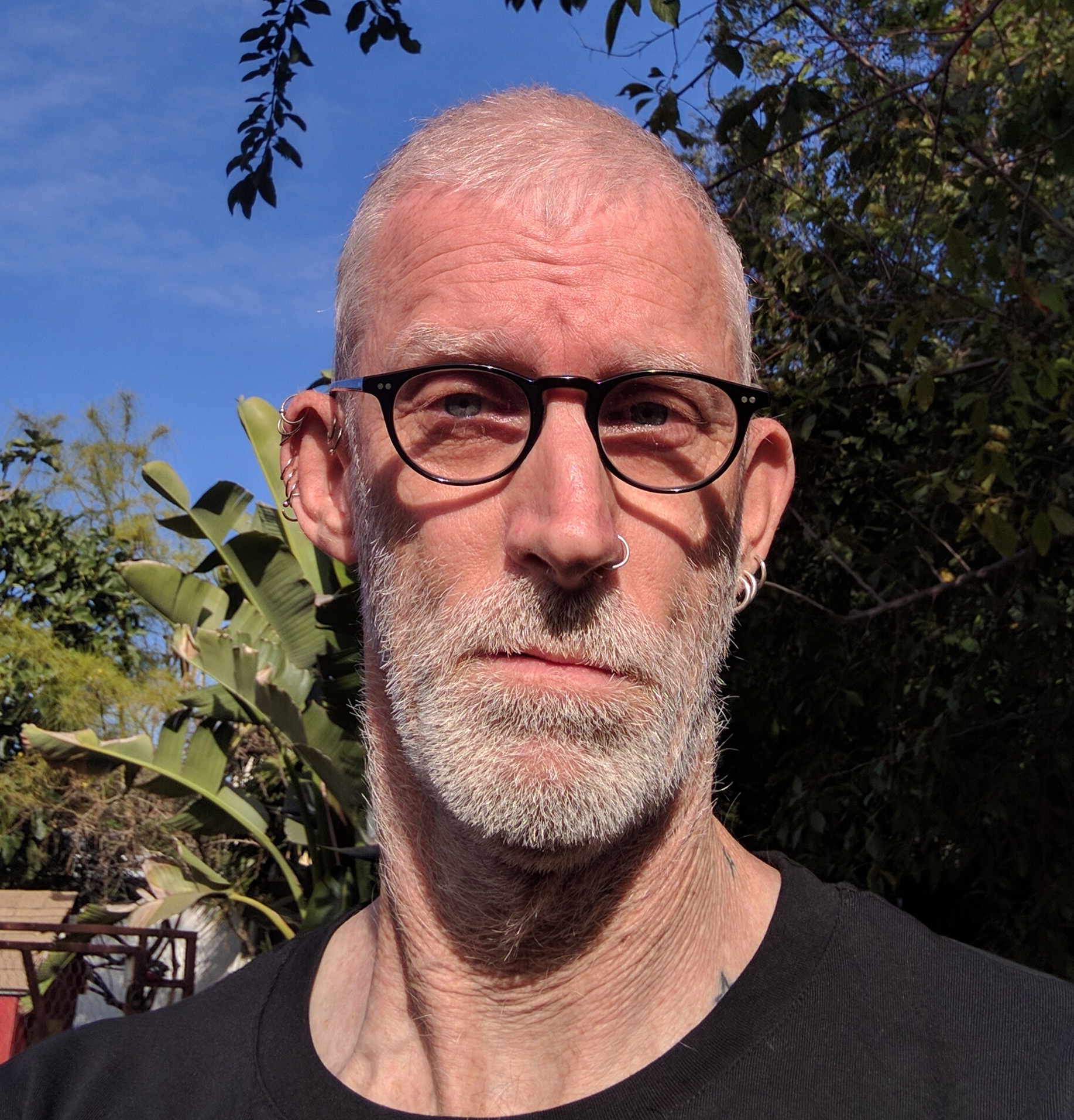
Tom Jennings
Pionnier de l'informatique et artiste technologique
🎤 Speaker
Depuis plus de cinq décennies, Tom Jennings fabrique des choses — le plus souvent physiques, presque toujours mêlées de logiciel, et souvent porteuses d'une dimension sociale. Après ses débuts avec un kit SWTPC 6800 dans les années 1970 et un passage à concevoir des systèmes de données embarqués en haute mer à base de Data General Nova, il aboutit chez Phoenix Software Associates, où ses travaux mènent au ROM BIOS portable compatible PC qui a ouvert tout grand le marché des compatibles IBM.
Installé à San Francisco en 1983, Tom écrit Fido et FidoNet — encore aujourd'hui le plus grand réseau informatique amateur au monde, avec 35 000 systèmes et un demi-million d'utilisateurs répartis dans 100 pays, bâti sur des principes anarchistes et des standards ouverts. Il transformera plus tard une première connexion Internet partagée en The Little Garden, incorporée sous le nom de TLGNet Inc.
Établi à Los Angeles, il se consacre à des sculptures technologiques à portée sociale, obtient une maîtrise en beaux-arts (MFA) du programme Arts Computation Engineering de UC Irvine en 2010 et enseigne au département Art and Technology de CalArts jusqu'à sa retraite en 2019. Aujourd'hui, il est libre de fabriquer n'importe quelle petite chose insolite — présentement le Friendly fZ80 MP/M Computer.
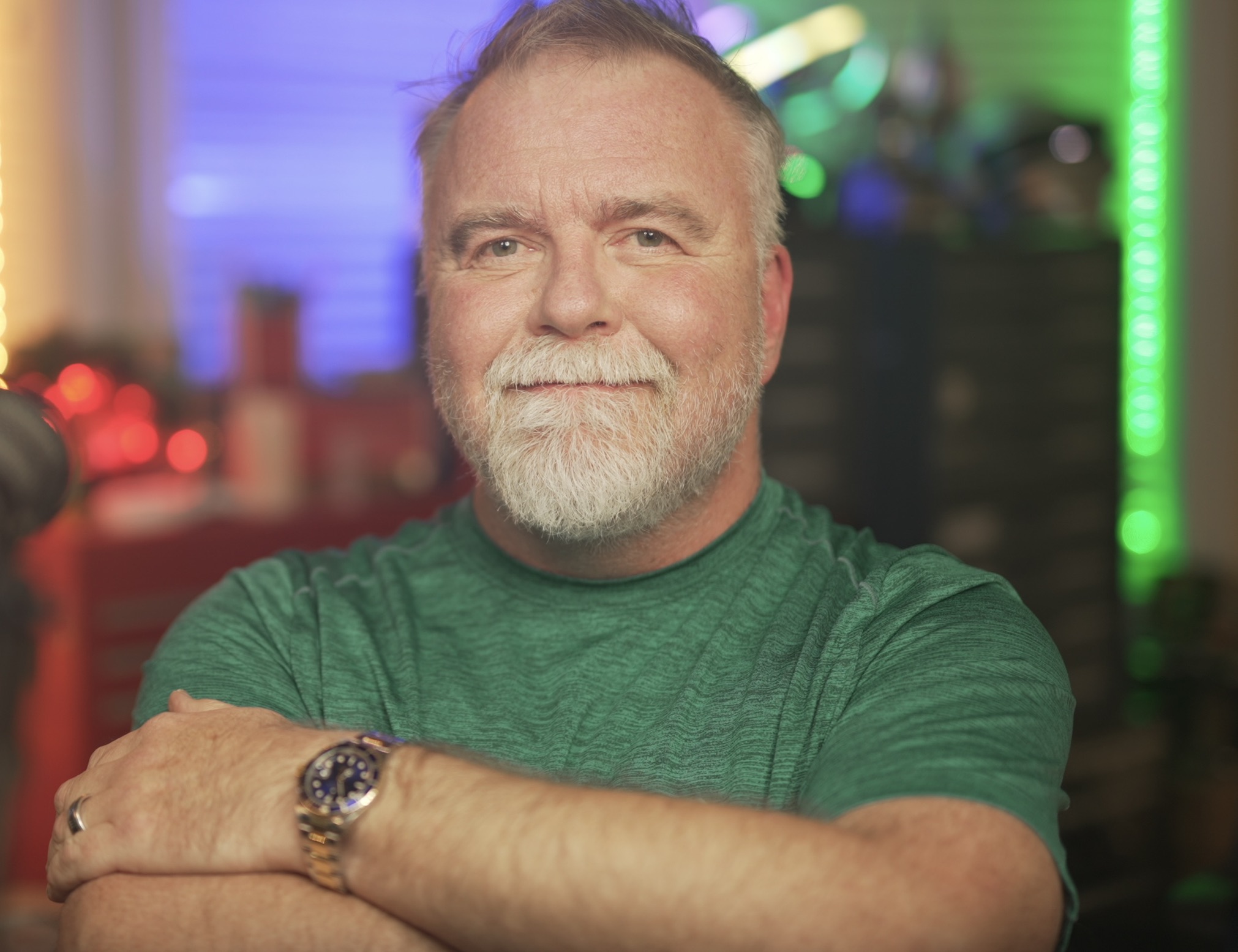
Dave Plummer
Créateur du Gestionnaire des tâches de Windows — chaîne YouTube Dave's Garage
🎤 Speaker
Né à Regina, en Saskatchewan, en 1968, Dave Plummer est entré chez Microsoft en 1993 et y a signé plusieurs morceaux de Windows que des millions de personnes utilisent sans savoir qui les a écrits : le Gestionnaire des tâches, la prise en charge des fichiers Zip et le portage de Space Cadet Pinball vers Windows NT. On lui doit aussi HyperCache pour l'Amiga, et six brevets lui ont été délivrés en génie logiciel. Il raconte aujourd'hui les coulisses de ces années sur ses chaînes YouTube Dave's Garage et Dave's Attic.
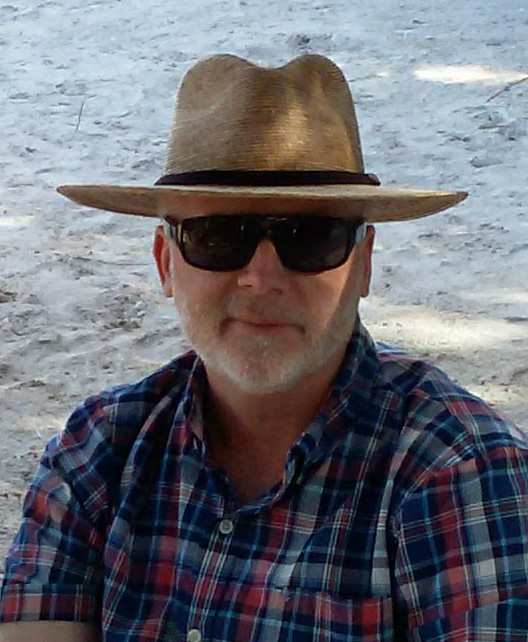
Jeff Tranter
Collectionneur et restaurateur Heathkit — auteur et vidéaste
🎤 Speaker
Jeff Tranter collectionne et restaure les appareils Heathkit et les ordinateurs d'époque. Il a produit plus de 250 vidéos YouTube sur le rétro-informatique, la radio ancienne et les instruments de mesure électroniques. Il est l'auteur de plusieurs livres, dont Classic Heathkit Computers, Calculators, and Robots et Classic Heathkit Electronic Test Equipment. Il vit à Ottawa, au Canada.
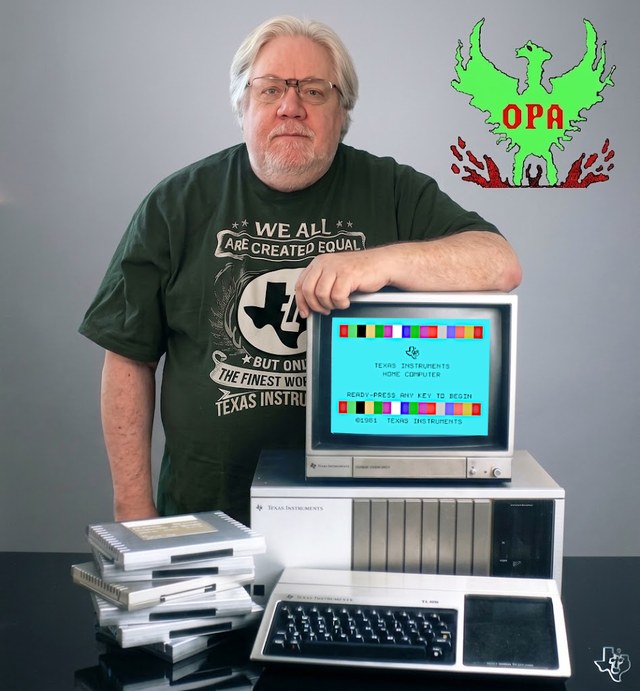
Gary Bowser (GaryOPA)
Pionnier du Texas Instruments TI-99/4A — Oasis Pensive Abacutors / OPA Phoenix Technologies
🎤 Speaker
Né à Montréal en 1969, Gary Bowser — GaryOPA dans la communauté — est développeur matériel et logiciel et ingénieur en conception numérique, fort de plus de quarante ans d'expérience en électronique embarquée et en assembleur bas niveau. Par ses entreprises Oasis Pensive Abacutors et OPA Phoenix Technologies, il conçoit des solutions modernes pour les machines d'époque : le Texas Instruments TI-99/4A d'abord, mais aussi le MSX, le Colecovision/Adam et le NABU. Retraité à Toronto et vivant avec un lymphœdème chronique, il a fait de sa maison un laboratoire de matériel de la fin des années 1970 et du début des années 1980, qu'il utilise tous les jours pour concevoir et tester ses projets : cartes mémoire, contrôleurs de disquettes, cartouches artisanales, et libération du code de ses anciens logiciels commerciaux pour TI-99. Il développe à l'ancienne sur du matériel d'origine tout en s'appuyant sur les outils d'IA d'aujourd'hui, avec l'espoir d'amener une nouvelle génération au rétro-informatique.
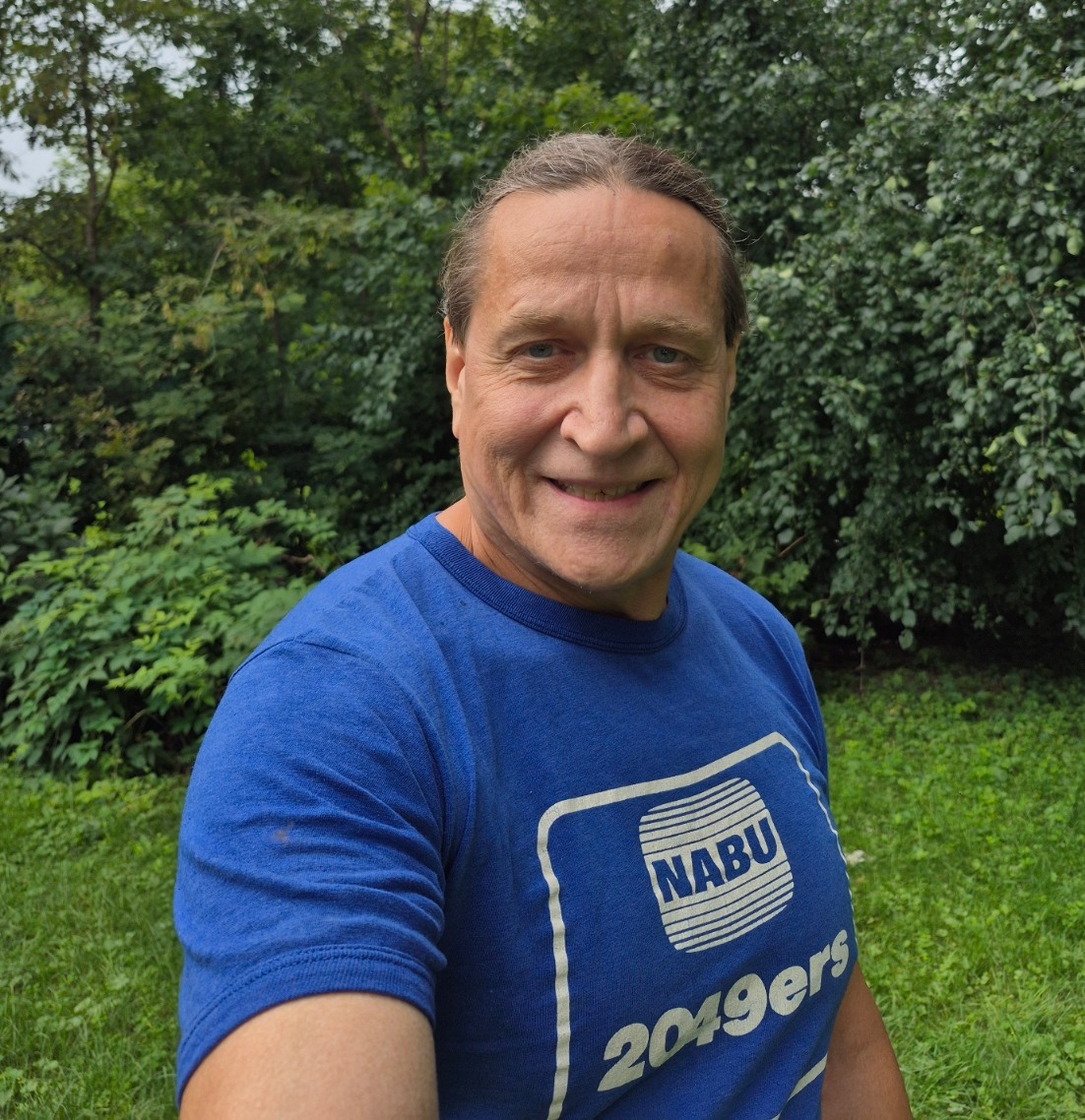
Leo Binkowski
Développeur de jeux puis directeur du contenu chez NABU
🎤 Speaker
Leo Binkowski est l'un des programmeurs d'origine du NABU Network, au Canada. En 1982, tout juste sorti du secondaire, on lui a dit que « les gens qui jouent aux jeux vidéo devraient en faire ». C'est ce qu'il a fait. Leo a développé des jeux et des logiciels pour NABU, avant d'y devenir directeur du développement de contenu. Plus de quarante ans plus tard, il contribue à préserver et à restaurer les logiciels, le matériel, le code source et les histoires de NABU pour une nouvelle génération de passionnés de rétro-informatique.
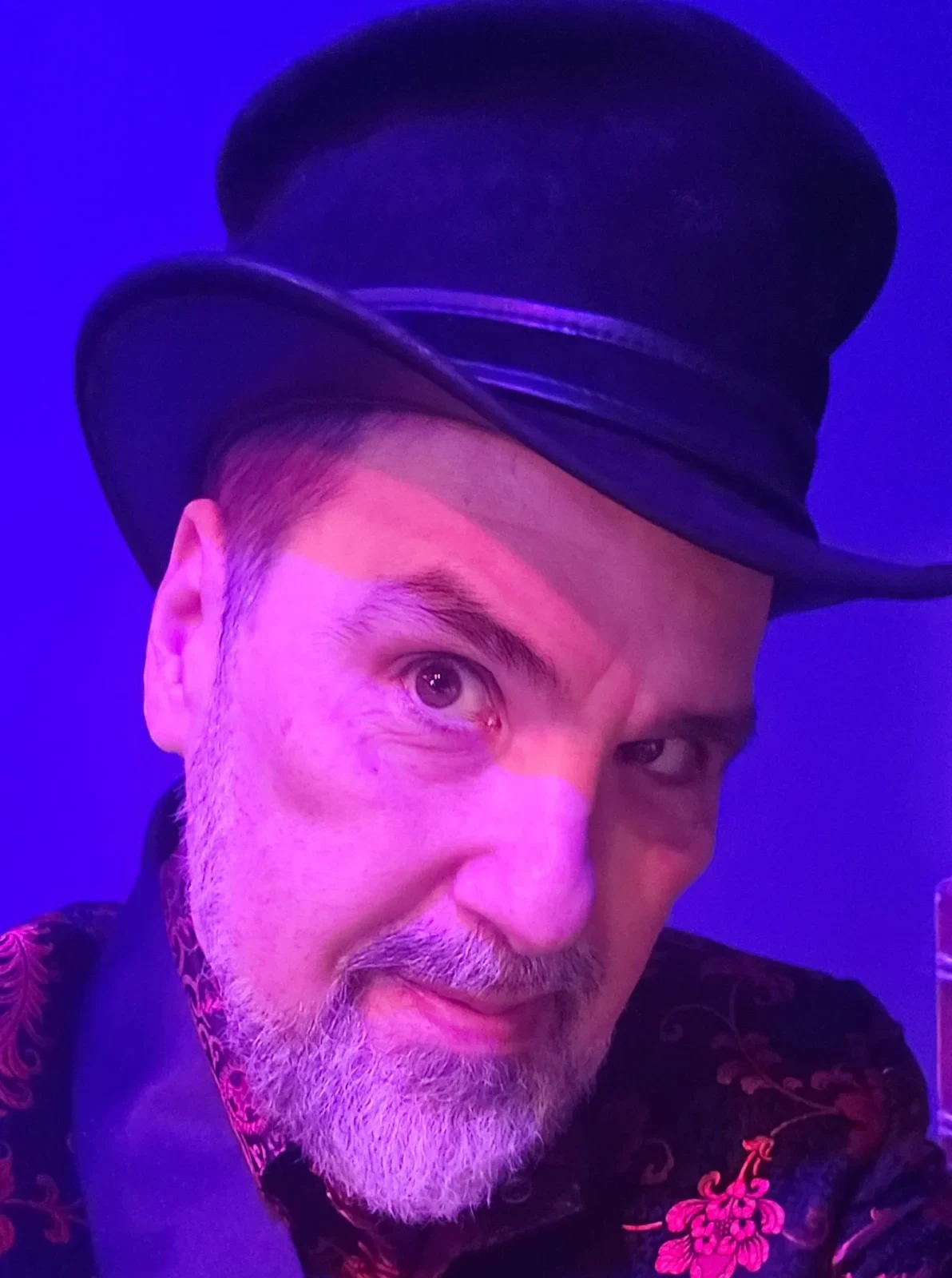
Jason Scott
Archiviste en liberté — Internet Archive
🎤 Speaker
Jason Scott est le free-range archivist — l'« archiviste en liberté » — de l'Internet Archive, où il a trempé dans une bonne part des projets de la maison au fil des ans, dont The Emularity, qui permet de jouer à des jeux et à des logiciels émulés directement dans le navigateur. Il a aussi encadré des millions de téléversements de toutes sortes touchant l'histoire de l'informatique et la documentation technique, dont un effort étalé sur dix ans pour sauver et numériser une collection de 13 000 manuels d'appareils de mesure menacée de disparition. Il est cofondateur d'Archive Team, une organisation d'archivistes activistes, ainsi que le fondateur et le mainteneur de TEXTFILES.COM, une collection consacrée à l'histoire des BBS. Il a fait plusieurs documentaires et beaucoup d'amis-ennemis.
Qui parle, et quand ? Toutes les conférences du samedi 7 et du dimanche 8 novembre sont dans l'horaire.
📅 Voir l'horaire des conférencesHere are our confirmed speakers and guests for VCF Montréal 2.0. Those giving a talk are marked with the 🎤 Speaker badge. More announcements will follow in the coming weeks.
Who's speaking, and when? Every talk on Saturday, November 7 and Sunday, November 8 is in the schedule.
📅 See the talks scheduleThe talk schedule is full: we are no longer accepting proposals. Still have a talk idea? Email us at vcfmontreal@cvcfed.org: we keep a few ideas on standby in case a speaker has to cancel (see the Speakers FAQ).
Al Lowe
Creator of Leisure Suit Larry — Sierra On-Line
🎤 Speaker📺 Attending via video conference
Over 16 years at Sierra, Al Lowe was lead programmer on King's Quest III and Police Quest I before creating the cult Leisure Suit Larry series, one of the most recognizable franchises of the adventure-game golden age. A former music teacher turned developer, he also wrote music for numerous Sierra titles and designed Freddy Pharkas: Frontier Pharmacist and Torin's Passage.
Ken & Roberta Williams
Co-founders of Sierra On-Line
🎤 Speaker📺 Attending via video conference
Ken and Roberta Williams co-founded On-Line Systems in 1979 — renamed Sierra On-Line in 1982 — and grew it to nearly 1,000 employees before its $1.2 billion sale in 1996. Roberta, dubbed the "Queen of Adventure Games," designed Mystery House (1980, the first graphic adventure game ever made), the King's Quest series, and Phantasmagoria (1995) — and received the GDC Pioneer Award in 2020. Ken, the quiet architect of the company's rise, is the author of Not All Fairy Tales Have Happy Endings (2020). The couple is back in the industry with Colossal Cave 3D.
|
Jacob Weldon |
Mark Westhaver |
Bryan Baker |
ReBoot ReWind Team
Restoring the original master tapes of ReBoot — Vancouver, B.C.
🎤 Speaker
The project — In December 2023, Jacob Weldon and Raquel Lin went to search through the archives of Mainframe Studios and found the original D-1 master tapes for ReBoot. After joining forces with Mark Westhaver and Bryan Baker, and a viral social media effort to find the hardware to play these tapes, the ongoing project to save and future-proof this media began. Over the last couple of years, Mark has been in charge of repairing and maintaining the D-1 tape decks and capturing the 260+ tape archive of ReBoot media; Jacob created the inventory log of media and combed through all the footage to find errors; Bryan created the video post-processing pipeline to tidy up all the footage. As of May 2026, all the master tapes of the ReBoot show have been saved, with only a few tapes worth of extra material left to transfer, and the post-processing work is nearly complete. When the project is complete, the goal is to turn the media back over to Mainframe Studios and get it distributed on physical media and digital platforms.
Jacob Weldon — Co-Director, Co-Producer & Editor of the ReBoot ReWind documentary. From Vancouver, B.C.; works in the film industry as an Editor.
Mark Westhaver — The vintage hardware genius of his generation. Immense self-taught skills in vintage video and computer standards; an invaluable skill set in the preservation, maintenance, and recovery of magnetic media. Owns and operates Disappearing Inc, a built-from-the-ground-up retro computer and prop shop in Vancouver, B.C.
Bryan Baker — A controls and automation specialist by day, and a code wizard by night. A key leader in the ReBoot communities since the mid-2000s, Bryan develops logic catered to working with video signals at the pixel level to restore footage incorrectly transferred or captured.
Christine Finn
Archaeologist & author of Artifacts: An Archaeologist's Year in Silicon Valley
🎤 Speaker
A British archaeologist, journalist, and author, Christine Finn is a former Research Associate at the Institute of Archaeology, University of Oxford, and a Fellow of the Society of Antiquaries of London. Her book Artifacts: An Archaeologist's Year in Silicon Valley (MIT Press, 2001) applies an archaeologist's tools and perspective to the material culture of Silicon Valley at the turn of the millennium: from collectors of obsolete tech, to a computer's trajectory from useful tool to junk to collector's item, and the meaning we can pull from our digital leavings. Oxford-trained — BA in archaeology and anthropology, a doctorate on the link between archaeology and poetry, published as Past Poetic (Duckworth, 2004) — she also presents and reports for the BBC, and contributes to the Times of London.
Clint "Gary" Basinger
Creator of LGR — YouTube channel dedicated to retro technology
Clint Basinger is the human being behind "LGR," a YouTube series that began in 2009 and has remained dedicated to revisiting retro technology and the history of computing. If it has a microprocessor, a keyboard, and comes in beige or woodgrain, chances are it'll be an LGR Thing at some point!
Tom Jennings
Computing pioneer and technological artist
🎤 Speaker
Tom Jennings has been making things — usually physical, usually involving software, often with a social edge — for over five decades. After starting with an SWTPC 6800 kit in the 1970s and a stint working on Data General Nova-based ocean-going data systems, he landed at Phoenix Software Associates, where his work led to the portable PC-compatible ROM BIOS that cracked open the IBM-compatible market.
After moving to San Francisco in 1983, Tom wrote Fido and FidoNet — still the world's largest amateur computer network, with 35,000 systems and half a million users across 100 countries, built on anarchist principles and open standards. He later turned an early shared internet connection into The Little Garden, incorporated as TLGNet Inc.
Relocating to Los Angeles, he began producing socially-engaged technological sculptures, eventually earning an MFA from UC Irvine's Arts Computation Engineering program in 2010 and teaching in CalArts' Art and Technology department until his retirement in 2019. Today, he's free to make any odd little thing — currently the Friendly fZ80 MP/M Computer.
Dave Plummer
Creator of the Windows Task Manager — Dave's Garage on YouTube
🎤 Speaker
Born in Regina, Saskatchewan in 1968, Dave Plummer joined Microsoft in 1993 and went on to write several pieces of Windows that millions of people use without ever knowing who built them: Task Manager, Zip file support, and the port of Space Cadet Pinball to Windows NT. He also created HyperCache for the Amiga, and has been issued six patents in software engineering. Today he tells the story behind those years on his YouTube channels Dave's Garage and Dave's Attic.
Jeff Tranter
Heathkit collector and restorer — author and video maker
🎤 Speaker
Jeff Tranter is a collector and restorer of Heathkit equipment and vintage computers. He has produced more than 250 YouTube videos on retrocomputing, vintage radio, and electronic test equipment. He is the author of several books, including Classic Heathkit Computers, Calculators, and Robots and Classic Heathkit Electronic Test Equipment. He lives in Ottawa, Canada.
Gary Bowser (GaryOPA)
Texas Instruments TI-99/4A pioneer — Oasis Pensive Abacutors / OPA Phoenix Technologies
🎤 Speaker
Born in Montreal in 1969, Gary Bowser — known in the community as GaryOPA — is a hardware and software developer and digital design engineer with over four decades of experience in embedded hardware and low-level machine assembly. Through his companies Oasis Pensive Abacutors and OPA Phoenix Technologies, he builds modern solutions for classic systems: the Texas Instruments TI-99/4A above all, but also MSX, Colecovision/Adam and NABU. Now retired in Toronto and living with chronic lymphedema, he has turned his home into a working laboratory of late-'70s and early-'80s hardware, which he uses daily to develop and test new projects: memory cards, floppy controllers, homebrew cartridges, and the open-sourcing of his original commercial TI-99 software. He develops old-school on original hardware while leveraging modern AI tools and toolchains, hoping to bring a new generation to retro-computing.
Leo Binkowski
NABU game developer, later Director of Content Development
🎤 Speaker
Leo Binkowski is an original programmer from Canada's NABU Network. In 1982, fresh out of high school, he was told that “people who play video games should make them.” So he did. Leo went on to develop games and software for NABU and later became a Director of Content Development. More than 40 years later, he is helping preserve and restore NABU's software, hardware, source code, and stories for a new generation of retrocomputing enthusiasts.
Jason Scott
Free-range archivist — Internet Archive
🎤 Speaker
Jason Scott is the free-range archivist of the Internet Archive, involved in many projects the site has had over the years, including The Emularity, a way to play emulated games and software in the browser. He has also helped shepherd in millions of uploads of all sorts of computer history and technical information, including a decade-long effort to save and digitize a collection of 13,000 testing equipment manuals in danger of being lost. He is a co-founder of Archive Team, an activist archivist organization, as well as the founder and maintainer of TEXTFILES.COM, a collection of BBS history. He has made several documentaries and many frenemies.
Who's speaking, and when? Every talk on Saturday, November 7 and Sunday, November 8 is in the schedule.
📅 See the talks schedule